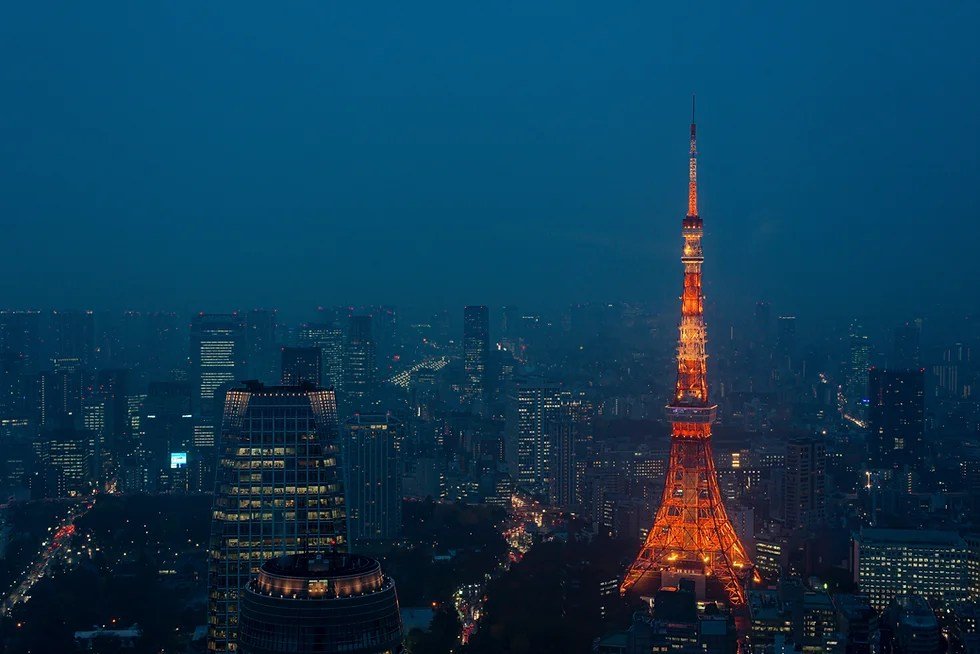
So, you’ve set your sights on Tokyo – the neon-lit futuristic city where ancient traditions meet cutting-edge innovation. You’re dreaming of Shibuya Crossing, cherry blossoms, ramen bowls, and the electric buzz of Shinjuku. But then reality whispers: Tokyo can be expensive. Fear not, intrepid traveler! Unlocking the secrets to smart Booking & Saving Tips for Tokyo Hostels can transform your dream trip into an affordable reality, without sacrificing comfort or the quintessential Tokyo experience.
This isn't about roughing it; it's about traveling smarter. Tokyo's hostel scene is a world unto itself, brimming with clean, artsy, charming, and trendy accommodations. Many boast incredible designs, top-notch facilities like free Wi-Fi and cooking areas, and unbeatable locations. Let's dive into how you can make the most of them and keep your yen in your pocket.
At a Glance: Your Tokyo Hostel Savings Cheat Sheet
- Book Early: Especially for peak seasons (cherry blossom, fall foliage) or popular hostels.
- Choose Wisely: Match your hostel to your travel style (social, quiet, design-focused).
- Location Matters: Balance proximity to sights with transport convenience and neighborhood vibe.
- Utilize Amenities: Cook your own meals, join free hostel events, use the communal spaces.
- Travel During Shoulder Seasons: Spring (late March to early May) and Fall (October to November) offer good weather and fewer crowds than peak summer/winter.
- Consider Direct Booking: Sometimes hostels offer better rates or perks when booking directly.
- Embrace Public Transport: Tokyo's subway is efficient and cost-effective.
Why Tokyo Hostels Are Your Smartest Bet for a Budget-Friendly Adventure
Forget any outdated notions you might have about hostels being grimy, cramped spaces for college kids. Tokyo's hostels redefine the category. They're often design masterpieces, offering a unique blend of affordability, community, and style that hotels simply can't match at the same price point. Think of them as boutique hotels with a more social soul.
You'll find everything from sleek, modern capsules to beautifully restored traditional Japanese homes. Many come with inviting common areas, lively bars, cafes, and sometimes even a rooftop terrace to soak in the city views. Plus, the built-in social scene means meeting fellow travelers is almost guaranteed – a huge bonus for solo explorers or anyone looking to swap stories and tips.
For instance, places like UNPLAN Shinjuku offer modern, flashy digs with capsule bunk beds that have private curtains and charging stations, alongside a public cafe, bar, and rooftop area. It's chic, social, and perfectly central. Or consider Toco Tokyo Heritage Hostel, built in 1920, offering a unique cultural immersion in a traditional wooden home with a tranquil garden and koi pond. It’s a completely different vibe, but equally compelling.
These aren't just places to sleep; they’re part of the Tokyo experience. And crucially, they empower you to save significantly on accommodation, freeing up your budget for exploring, eating, and experiencing everything this incredible city has to offer.
Mastering the Hunt: Booking Tokyo Hostels Like a Pro
Finding the perfect hostel in a city as vast as Tokyo requires a bit of strategy. It’s not just about the lowest price; it’s about value, location, and matching the vibe to your personal travel style.
Timing Is Everything: When to Snag the Best Deals
Just like flights, hostel prices in Tokyo fluctuate dramatically based on demand. Being strategic with your booking window can lead to significant savings.
- Book Early, Especially for Peak Seasons: Tokyo's cherry blossom season (late March to early April) and autumn foliage (October to November) are incredibly popular, as are major holidays. If your travel dates fall within these periods, booking 3-6 months in advance isn't overkill – it's essential. Popular hostels like NUI Hostel & Bar Lounge or CITAN Hostel fill up fast due to their reputation and prime locations. Early booking also ensures you get your preferred room type, be it a private dorm or a female-only option.
- Consider Shoulder Seasons: If your schedule allows, traveling just before or after peak season can offer a sweet spot of pleasant weather, fewer crowds, and lower prices. Late May/early June or late September/early October often fit this bill.
- Last-Minute Deals Are Rare (for good places): While you might occasionally stumble upon a cancellation, don't rely on last-minute bargains for highly-rated Tokyo hostels. The best ones are almost always fully booked.
Location, Location, Location: Where to Stay for Value & Vibe
Tokyo is massive, with distinct neighborhoods each offering a different flavor. Your chosen hostel's location profoundly impacts your travel experience, from commute times to nightlife.
- Shinjuku: The Pulsating Heartbeat. If you crave constant energy, endless dining, and vibrant nightlife, Shinjuku is your hub. Hostels like UNPLAN Shinjuku and Imano Tokyo Hostels put you right in the thick of it, offering easy access to transport and entertainment. While often a bit pricier due to demand, the convenience can save you on transport costs.
- Asakusa: A Glimpse into Old Tokyo. For a more traditional, riverside experience with historic temples and charming streets, Asakusa is ideal. NUI Hostel & Bar Lounge sits right by the Sumida River, a short walk from Senso-ji Temple. Chapter Two, a small family-run gem, is also conveniently located near Skytree Station. This area offers a slightly calmer pace and often slightly lower prices than Shibuya or Shinjuku.
- Nihonbashi: Modernity Meets History. This central district blends business with culture. CITAN Hostel here caters to design-conscious travelers and digital nomads, offering a sophisticated vibe. It’s excellent for exploring various parts of Tokyo, being well-connected by subway.
- Iriya: Authentic Local Charm. If you prefer to step off the beaten path and experience local life, areas like Iriya are fantastic. Toco Tokyo Heritage Hostel provides a cultural immersion in a traditional home, while Hostel Bedgasm offers a budget-friendly, social vibe near Iriya station. These areas can provide a more authentic and often more affordable Tokyo experience.
- Shibuya: The High-Tech Epicenter. For those who want to be in the absolute heart of pop culture and have a higher budget, Shibuya is unbeatable. The Millennials Shibuya is a prime example – high-tech, modern, and perfect for digital nomads, albeit the most expensive option on our list. Staying here means you’re within walking distance of iconic sights and endless shopping, which can save on transport if you plan to spend most of your time in this specific area.
When choosing, consider what you want from your Tokyo trip. Are you prioritizing nightlife, cultural immersion, quiet relaxation, or easy access to business districts? Match the neighborhood to your priorities.
Decoding Hostel Types: Finding Your Perfect Match
Tokyo's hostels are incredibly diverse. Understanding their different "personalities" helps you pick one that truly enhances your trip.
- For the Social Butterfly & Party Seeker: If meeting new people and having a lively evening is a priority, look for hostels with popular bars and common areas. NUI Hostel & Bar Lounge is famous for its epic cafe that transforms into a bustling bar, attracting both travelers and locals. Hostel Bedgasm also boasts a strong social vibe and a lively bar, often with free drinks for guests. UNPLAN Shinjuku also offers a vibrant bar and cafe scene.
- For the Design Aficionado: Tokyo excels in aesthetics. Hostels like CITAN Hostel in Nihonbashi offer modern, minimalistic industrial designs, while UNPLAN Shinjuku is known for its flashy, clean, and stylish interiors. These aren't just places to sleep; they're experiences in themselves.
- For Cultural Immersion: If you dream of experiencing traditional Japanese living, Toco Tokyo Heritage Hostel is unparalleled. Staying in a beautifully restored 1920s wooden home with a tranquil garden offers a unique, serene atmosphere.
- For the Digital Nomad: Blending work and travel requires specific amenities. The Millennials Shibuya is tailor-made for this, with a dedicated coworking area, speedy Wi-Fi, and private call booths. CITAN Hostel also caters well to digital nomads with its fast Wi-Fi and comfortable common areas.
- For Female Travelers: Many Tokyo hostels prioritize safety and comfort for women. Hostel Bedgasm has a dedicated female-only floor with hair styling tools. Imano Tokyo Hostels (Shinjuku) accommodates female travelers with separate men's, women's, and mixed floors. Toco Tokyo Heritage Hostel and NUI Hostel & Bar Lounge also offer female-only dorms, ensuring a comfortable and secure stay.
- For Families or Small Groups: While dorms are common, many hostels offer private rooms. UNPLAN Shinjuku has private rooms for up to five guests, making it a surprisingly good option for families or small groups traveling together. Chapter Two (though small) also offers deluxe pods that provide more privacy than standard bunks, suitable for couples or friends.
Booking Platforms & Direct Deals: Where to Click "Confirm"
Once you've zeroed in on your preferred hostels and dates, it's time to book.
- Major Booking Platforms (Hostelworld, Booking.com): These sites offer the broadest selection and user reviews, making comparisons easy. They often have flexible cancellation policies, which can be a lifesaver if plans change. However, they may charge a small booking fee or take a commission, slightly increasing the price.
- Hostel Websites (Direct Booking): Always check the hostel's official website. Sometimes they offer slightly lower rates, exclusive promotions, or extra perks (like a free welcome drink or late check-out) as an incentive to book direct. You might also find more specific room types or package deals here. For example, some hostels might offer discounts for longer stays only on their direct sites.
- Sign Up for Newsletters: Many hostels or hostel chains offer discounts to their newsletter subscribers. This is a great way to snag a deal if you have flexible travel dates.
By taking these steps, you'll be well on your way to securing excellent accommodation at a price that leaves plenty of room in your budget for all the amazing experiences Tokyo has in store. When planning your Tokyo adventure, a good place to start exploring your options is by checking out a comprehensive Tokyo hostels guide.
Smart Spending: Saving Big Beyond the Bed
Booking your hostel wisely is just the first step. True budget mastery comes from how you manage your expenses once you're on the ground in Tokyo. Hostels, with their unique structure, offer numerous built-in opportunities to save.
Utilize Hostel Amenities to Your Advantage
Don't just sleep in your hostel; live in it! The amenities provided are often key to slashing your daily expenses.
- Embrace the Kitchen: Many Tokyo hostels, including Hostel Bedgasm, CITAN Hostel, Chapter Two, and UNPLAN Shinjuku, provide clean, well-equipped common kitchens. This is your golden ticket to saving on food. Instead of eating out three times a day, hit up a local supermarket (or even a convenience store like 7-Eleven or FamilyMart, which have surprisingly good and affordable meal options) for breakfast items, snacks, or ingredients for a simple dinner. Cooking even one meal a day can save you hundreds of yen.
- Free Wi-Fi: This might seem obvious, but fast, free Wi-Fi (offered by all the hostels mentioned, like CITAN Hostel) is crucial for planning, navigating, and staying connected without racking up international data roaming charges.
- Free Drinks & Events: Some hostels go above and beyond with complimentary offerings. Toco Tokyo Heritage Hostel offers a free drink every night, while Hostel Bedgasm gives guests a free beer or lemon sour. The Millennials Shibuya offers a free beer happy hour daily. These aren't just nice perks; they're social icebreakers that save you from buying expensive drinks at bars. Hostels also often organize free or low-cost events, like walking tours or cultural workshops, providing entertainment without denting your wallet.
- Rooftop & Common Areas: Hostels like UNPLAN Shinjuku, Hostel Bedgasm, and NUI Hostel & Bar Lounge feature rooftop areas or quiet lounges. These are perfect for relaxing, enjoying a takeout meal, or planning your day without needing to spend money at a cafe or bar.
- Breakfast Offers: Some hostels include breakfast. UNPLAN Shinjuku offers a hearty breakfast, which is a significant saving on your morning meal. Always check if this is included or available for a small fee.
Transport Hacks: Navigating Tokyo Affordably
Tokyo's public transport system is legendary for its efficiency, but costs can add up.
- Walkability is Key: Choose a hostel within reasonable walking distance of a major train or subway station. This saves you time and reduces the need for multiple transfers or short, expensive rides. For example, a hostel in central Shinjuku (like UNPLAN or Imano) puts you within walking distance of countless attractions and excellent transport links.
- Consider Day Passes: If you plan on doing a lot of sightseeing that involves multiple train lines, a Tokyo Metro or JR day pass might be cost-effective. Do the math based on your itinerary to see if it makes sense. Sometimes, simply using a Suica or Pasmo IC card (rechargeable travel cards) and paying per journey is cheaper if you're not traveling extensively each day.
- Avoid Taxis: Taxis in Tokyo are incredibly clean and efficient but prohibitively expensive for budget travelers. Stick to trains and subways.
Food Budgeting: Savoring Tokyo Without Overspending
Eating well in Tokyo doesn't have to break the bank.
- Utilize Your Hostel Kitchen: As mentioned, this is your number one tool. Cook basic meals, make sandwiches for lunch, or buy snacks.
- Embrace "Konbini" Culture: Japanese convenience stores (7-Eleven, FamilyMart, Lawson) are a lifesaver. They offer surprisingly high-quality, delicious, and affordable meals – bento boxes, onigiri (rice balls), sandwiches, noodles, and more. Many even have microwaves for heating and seating areas.
- Seek Out Local Eateries: Look for small, local ramen shops, udon joints, soba restaurants, or donburi (rice bowl) spots away from major tourist hubs. These often offer fantastic food at very reasonable prices (think 500-1000 yen for a satisfying meal).
- Lunch Deals: Many restaurants offer special lunch sets (teishoku) that are significantly cheaper than dinner options. This is a great way to try nicer restaurants without the full dinner price tag.
- Supermarkets: For the best deals on groceries, seek out larger supermarkets rather than just convenience stores. You'll find fresh produce, meats, and pre-made meals at lower prices.
Attraction Savings: Experience Tokyo for Less
Many of Tokyo's most iconic experiences are free or very low cost.
- Free Parks & Gardens: Enjoy the tranquility of places like Shinjuku Gyoen National Garden (small entrance fee) or the sprawling Ueno Park (free admission to the park itself).
- Street Photography: Shibuya Crossing, the vibrant streets of Harajuku, the futuristic architecture of Shinjuku – all incredible backdrops for photos and people-watching, absolutely free.
- Observatories with a View: While the Tokyo Skytree charges an entrance fee, the Tokyo Metropolitan Government Building in Shinjuku offers free observation decks with panoramic views of the city (and even Mount Fuji on a clear day!).
- Museum Free Days/Evenings: Some museums offer free entry on specific days or evenings. Check their websites in advance.
- Walking Tours: Many hostels (like Toco) offer highly-rated maps and walking tour recommendations. You can also find free walking tours led by volunteers.
By combining savvy booking with smart daily spending, you'll find that Tokyo can be enjoyed thoroughly without emptying your savings.
Common Questions & Savvy Answers for Tokyo Hostel Stays
Even seasoned travelers might have specific questions when it comes to hostels in a unique cultural destination like Tokyo. Here are some common queries and direct answers to put your mind at ease.
"Are Tokyo hostels safe?"
Absolutely. Tokyo is renowned for being one of the safest cities in the world, and its hostels reflect that. Hostels generally have secure access (key cards, codes), lockers for valuables, and 24-hour staff presence. Many, like Imano Tokyo Hostels, even offer separate men's, women's, and mixed floors for added comfort. You should always practice basic travel safety, but in Tokyo hostels, your personal safety is rarely a concern.
"Do I need to speak Japanese?"
No, not at all! While knowing a few basic phrases ("Konnichiwa," "Arigato," "Sumimasen") is always appreciated, virtually all hostel staff in Tokyo speak excellent English. Signage at major train stations and tourist attractions is also in English. Google Translate, particularly the camera function, is your best friend for deciphering menus or signs.
"What's the etiquette in a Japanese hostel?"
Japanese etiquette emphasizes respect and consideration for others, especially in shared spaces.
- Be Quiet in Dorms: Keep noise to a minimum, especially late at night or early in the morning. Use headphones for music/videos.
- Cleanliness: Always keep common areas, bathrooms, and kitchens spotless. Many hostels provide specific bins for different types of waste.
- Shoes Off: You'll often be asked to remove your shoes at the entrance or before entering certain areas (like dorms or traditional common rooms, as in Toco Tokyo Heritage Hostel). Follow the lead of others.
- Shower Rules: If communal showers are present, they are usually very clean. Be mindful of water usage and leave the space tidy for the next person.
- Locker Use: Always use the provided lockers for your belongings. This secures your items and keeps the dorm tidy.
- Curtain Privacy: Respect the privacy curtains on capsule beds. Don't peek into others' spaces.
"Can families stay in hostels?"
Yes, some hostels are very family-friendly, particularly those offering private rooms. UNPLAN Shinjuku, for example, has private rooms that can accommodate up to five guests, making it a viable and often more affordable option for families than multiple hotel rooms. While the social vibe might be different from a hotel, the amenities like kitchens can be a huge bonus for families traveling on a budget. Always check the specific hostel's policies and room types.
"Is it worth paying more for a 'boutique' hostel?"
If your budget allows, and you appreciate good design and specific amenities, absolutely. "Boutique" hostels like CITAN Hostel (with its industrial-chic design, amazing coffee shop, and strong showers) or The Millennials Shibuya (with high-tech smart beds and coworking spaces) offer an elevated experience. They often attract a slightly older, more design-conscious clientele, leading to a more mature and often quieter atmosphere than traditional party hostels. The extra cost is often reflected in superior facilities, comfort, and aesthetics, which can significantly enhance your trip.
Your Next Steps: Ready to Explore Tokyo on a Budget?
You've got the roadmap. Tokyo, with its captivating blend of the ancient and the hyper-modern, doesn't have to be an unattainable dream due to cost. By strategically booking your hostel and adopting smart saving habits, you can immerse yourself in its magic without a crippling budget.
Start by identifying your preferred neighborhood and the kind of hostel experience you’re after – be it the social buzz of NUI Hostel & Bar Lounge, the cultural calm of Toco Tokyo Heritage Hostel, or the digital nomad haven of The Millennials Shibuya. Then, book early, especially if you're traveling during peak seasons. Once you arrive, leverage your hostel's amenities, explore Tokyo's fantastic and affordable food scene, and make the most of its efficient public transport.
Your Tokyo adventure awaits, and with these tips, you're not just saving money; you're gaining a richer, more authentic travel experience. Happy planning!